
Books·
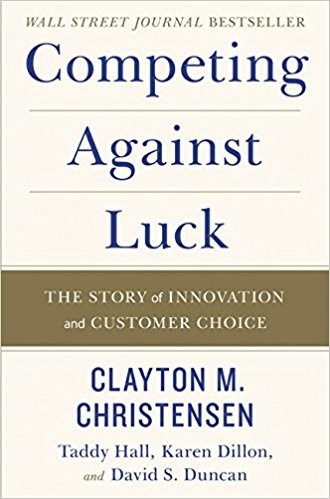
Competing Against Luck
Great products win when they solve real jobs—not when they ship cool features.
Metadata
| Author | Clayton M. Christensen, Taddy Hall, Karen Dillon, David S. Duncan |
| Year | 2016 |
The Book in 3 Sentences
- Customers don’t buy products — they hire them. They choose solutions to make progress in a specific situation (“job to be done”).
- Circumstances matter more than demographics. The same person hires different products for different jobs depending on context.
- Growth becomes predictable when you understand the job. Design the full experience around solving real struggles, not adding features.
How the Book Changed Me
- This book fundamentally reshaped how I think about product design. Instead of chasing features because they’re interesting or technically impressive, the “Jobs to Be Done” framework forces me to anchor every idea in a real user struggle. It gives me a disciplined way to articulate why someone would hire our product — and a much stronger foundation for defending which features actually matter.
My Top 3 Quotes
- Customers don’t buy products or services; they hire them to do a job.
- When we understand the job, we can build products that customers will predictably hire.
- Good innovations help customers solve problems they didn’t even know they had.
Summary + Notes
- The Milkshake Dilemma Christensen’s famous case: McDonald’s couldn’t grow milkshake sales by tweaking demographics. When they asked what “job” the milkshake was hired for (long morning commute boredom), growth followed.
→ Focus on the job, not the customer segment.
- The Theory of Jobs A “job” is progress someone is trying to make in a specific circumstance.
→ Products succeed when they help customers make progress.
- Why Traditional Segmentation Fails
→ Demographics and personas don’t explain behavior.; Two very different people may hire the same product for the same job.
- Instead of user personas, create “job stories”:
When ___, I want to ___, so I can ___.
This captures the struggle driving the purchase.
- Companies must design the full experience around the job — not just the product.
→ Every touchpoint supports or sabotages the job.
- Four forces influence decisions:
→ Understanding these predicts adoption.
- The Hiring Process People compare alternatives (including doing nothing). Success depends on resolving anxieties and reinforcing the job fit.
- Getting the Job Right Organizations often build features instead of solving real struggles. You must deeply understand the customer’s situation.
- Companies must align internally around delivering the job consistently. Structure should support the job, not internal silos.
- If you understand the job, growth becomes predictable — not random.
You’re no longer guessing what customers want.