
Films·
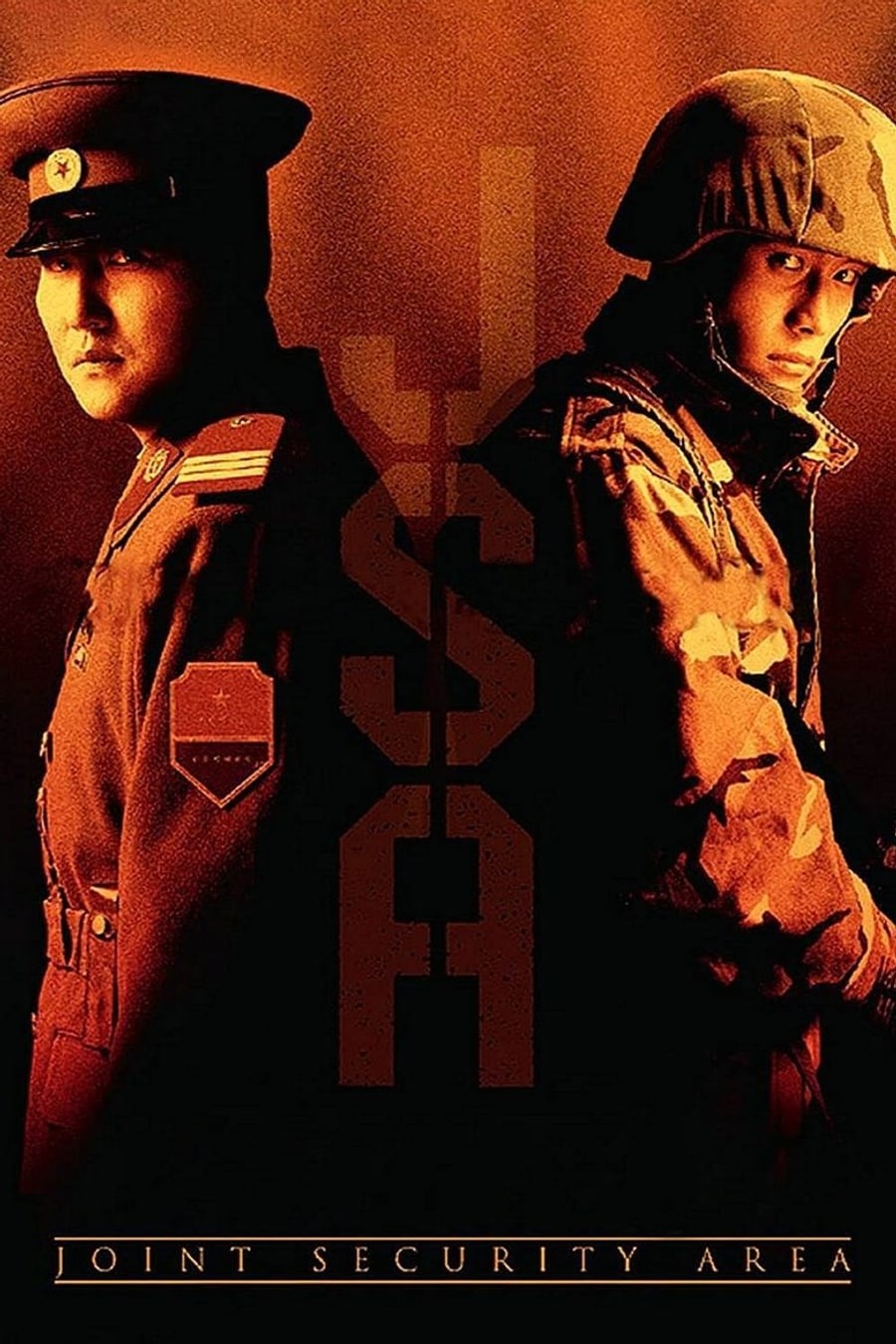
Joint Security Area
Park Chan-wook’s breakthrough, where an arbitrary line on a map turns ordinary friendship into tragedy.
Metadata
| Director | Park Chan-wook |
| Year | 2000 |
| Writer | Park Chan-wook, Kim Hyun-seok, Jeong Seong-san, Lee Moo-yeong |
| Stars | Song Kang-ho, Lee Byung-hun, Lee Young-ae, Kim Tae-woo, Shin Ha-kyun |
The movie in 3 sentences
- I remember JSA being one of the first films I associated with the emerging Korean New Wave. It was also one of the most successful—and expensive—Korean films of its time, and became Park Chan-wook’s breakthrough. Park would later develop a much more distinctive style in films like Oldboy, combining precise staging and visual flamboyance with absurdity and black humor, but you can already see here that the storytelling fundamentals were there from the beginning.
- At its core, the film questions the absurdity of ideological division and the tragic consequences of forcing that division onto ordinary people. Strip away political allegiance, and the soldiers on both sides have far more in common than they are supposed to admit. JSA tapped into something very specific in the South Korean psyche of that era: a genuine longing for kinship and eventual unity between the people of the two Koreas, even when politics made that impossible.
- I wonder how the film’s central idea would land if it were released today. South Korean attitudes toward North Korea are substantially colder and more detached than they were in the early 2000s. The change isn’t simply that people dislike North Korea more; it’s that many South Koreans, particularly younger generations, no longer emotionally see North Korea as part of an unfinished national project. A story built around the tragedy of brothers being separated by an artificial political line might therefore feel less immediately resonant today—and perhaps more like a portrait of a particular moment in the Korean psyche.