
Books·
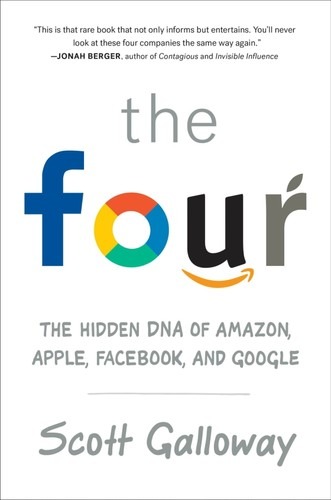
The Four
The four horsemen that ruled the 2000s, and psychology behind.
Metadata
| Author | Scott Galloway |
| Year | 2017 |
The Book in 3 Sentences
- This book explains why four companies dominate the modern economy and what psychological and structural forces drive their success.
- They win through ecosystem control, not just products. Integration, distribution, and user lock-in matter more than features.
- Their power brings risk. Regulatory pressure and cultural backlash are inevitable consequences of dominance.
How the Book Changed Me
- It’s interesting how so much has changed since 2017.
- Google - In 2017, the power was in distribution, infrastructure, and attention. In 2026, the power question is “who owns intelligence?” The new chokepoint isn’t search results; it’s AI orchestration.
- Meta - Meta once owned belonging and identity, but it optimized for engagement over trust and is now paying the brand tax. Belonging at scale turned into polarization at scale..
- Apple - Apple still owns status and ecosystem but their AI integration feels reactive and hardware differentiation is flattening. Unless they deeply integrate AI at the OS level, their moat shrinks.
- Amazon still dominates AWS, fulfillment, and infrastructure, but global supply chain shocks, geopolitical fragmentation and regulatory heat have exposed fragility. They mastered efficiency but will they master durability?
- The battleground in 2020-30s isn’t just consumer psychology, it’s owning of the full stack - infrastructure, model and AI data. What will become the new moat and how will companies build it?
My Top 3 Quotes
- Amazon is in the business of growing revenue. Google is in the business of growing profits.
- Apple is a luxury brand.
- Facebook is the most efficient engine for persuasion in history
- Google doesn’t want to give you answers. It wants to give you ads
- The Four have become the world’s first trillion-dollar companies because they tap into our most primal instincts
- Data is the new oil — but unlike oil, data gets more valuable the more you use it.
- Distribution trumps product
Summary + Notes
- Amazon
- Amazon wins on relentless customer obsession and logistics dominance.
- Operates at razor-thin margins to gain scale.
- Builds infrastructure (AWS) that powers the internet.
- Prioritizes growth over short-term profit.
→ Distribution + data + discipline = dominance.
- Apple
- Apple sells luxury at scale + Premium branding.
- Vertical integration (hardware + software + ecosystem).
- Emotional storytelling.
→ It’s not technology — it’s identity.
- Facebook (Meta) wins through attention and social validation.
- Monetizes identity and relationships.
- Network effects lock users in.
- Data fuels targeted advertising.
→ Humans crave connection — and status.
- Google organizes the world’s information.
- Owns search intent.
- Massive data advantage.
- Engineering-first culture.
→ Owning intent is more powerful than owning content.
- Why They Win: The Four tap into deep human instincts:
- Amazon → Survival (value & convenience)
- Apple → Status
- Facebook → Love / Belonging
- Google → Knowledge
They align with evolutionary psychology.
- The Horsemen Framework
- Galloway calls them “Horsemen” — companies that:
- How to Compete
- Smaller companies must:
- Future Risks
- Regulation, antitrust, cultural backlash.
- Their power invites scrutiny.
- Investing & Career Lessons. Work where:
- Top talent clusters
- Technology compounds
- Global scale exists
- Follow talent density.