
Shows·
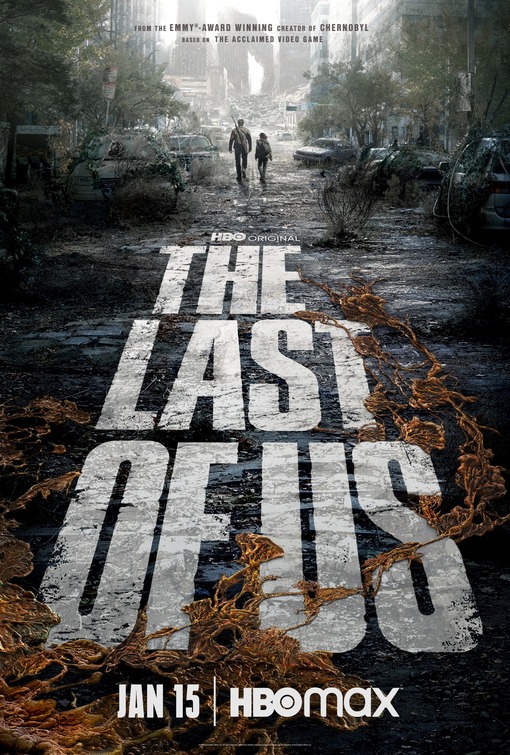
The Last of Us
You thought the cortyceps were the enemy, but the real enemy were the other people
Metadata
| Creators | Neil Druckmann, Craig Mazin |
| Year | 2023 |
| Stars | Bella Ramsey, Pedro Pascal, Gabriel Luna |
The Show in 3 Sentences
- I had heard that The Last of Us was a phenomenal hit, even though I never played the game myself. Its reputation came largely from Joel and Ellie’s relationship, strong dialogue and storytelling, and tense stealth combat that helped turn it into a modern classic. So A had huge expectations going into the series, while I was mostly along for the ride. As an HBO adaptation, though, I thought it absolutely delivered: striking visuals, confident storytelling, and phenomenal acting.
- One of the coolest things about the series is that its apocalypse starts with real biology before making a very large fictional leap. The inspiration comes from parasitic fungi like Ophiocordyceps, which infect ants and manipulate their behavior in ways that benefit the fungus—for example, driving them to locations better suited for growth and spore dispersal. Of course, the human version is science fiction: Cordyceps fungi aren’t adapted to survive inside the human body, let alone outsmart our immune system and take control of our behavior. But the idea that climate change could help certain fungi adapt to warmer temperatures and potentially create new diseases is at least plausible. So I have to give the show credit for putting some real scientific thought behind its zombie outbreak.
- The question I kept coming back to was: “How much wrongdoing are we willing to forgive when it comes from love?” From a utilitarian or collective-responsibility point of view, sacrificing Ellie for even a chance at developing a cure makes sense. But as a parent, could you actually stand by and let that happen? I thought the show did a wonderful job keeping me morally uncomfortable almost the entire way through—along with the occasional jump scare.