
Books·
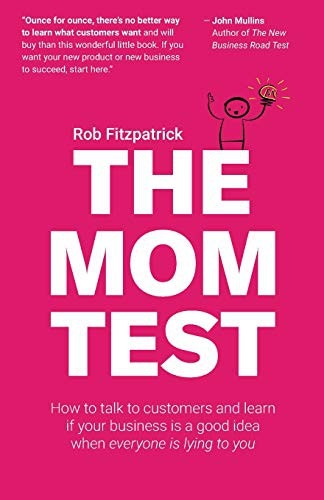
The Mom Test
Reminder what not to do in user interviews
Metadata
| Author | Rob Fitzpatrick |
| Year | 2013 |
The Book in 3 Sentences
- Ask about real behavior, not opinions. Past actions reveal truth; future promises don’t.
- Look for pain and commitment. Compliments are meaningless—money, time, or effort signal real demand.
- Don’t pitch your idea too early. Stay curious about the problem before defending a solution.
How the Book Changed Me
- I was in the midst of doing user interviews to discover pain points, which started with fairly loose format. Even though I had experience with interviews and I was aware of the basics of interviews like not bringing in biases, etc. it was nice to be reminded of the basics of user interview.
My Top 3 Quotes
- People will lie to you if they think it’s what you want to hear.
- Compliments are the fool’s gold of customer validation.
- Anything involving the future is an over-optimistic lie.
- The more you’re talking, the worse the conversation is going.
Summary + Notes
- The Mom Test If you ask, “Would you use this?” people will say yes. Instead, ask about their past behavior, not future opinions.
Bad: “Would you buy this?” Good: “How are you solving this today?”
→ Opinions are useless. Facts about behavior matter.
- Compliments are dangerous. Instead, look for commitment or existing pain.
- Ask About Specifics. Ask:
- Don’t Pitch Too Early; don’t bias the conversation by describing your idea
→ Stay curious, not persuasive.
- Look for Emotional Signals
→ You need painful problems, not interesting ones.
- Validation is when someone:
→ Everything else is politeness.
- You must be willing to kill ideas quickly if data contradicts them.
- Go in with:
- Don’t wait for formal interviews. Have casual conversations in real environments where the problem happens.