
Books·
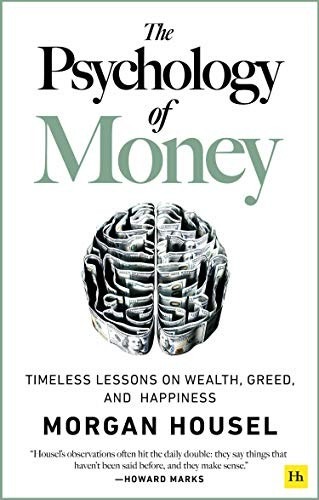
The Psychology of Money
Wealth comes from behavior, patience, and discipline—not brilliance or income.
Metadata
| Author | Morgan Housel |
| Year | 2020 |
The Book in 3 Sentences
Stay simple, stay humble.
How the Book Changed Me
- The idea of spending less is so much easier than making more resonated hard with me.
- Just like any startup, surviving is the name of the game not winning big.
My Top 3 Quotes
- The highest dividend money pays is the ability to control your time.
- Compounding works best when you can give a plan years or decades to grow.
- There is no reason to risk what you have and need for what you don’t have and don’t need.
- The hardest financial skill is getting the goalpost to stop moving.
Summary + Notes
- People make money decisions based on their personal experiences, not spreadsheets. Different experiences = different “rational” choices.
- Luck & risk: Success and failure often involve randomness. Be humble in success and forgiving in failure.
- Never enough: Chasing “more” without limits leads to ruin. Know what “enough” means for you.
- Confounding compounding: Small gains over long periods create massive outcomes. Patience is the superpower.
- Getting rich requires risk-taking. Staying rich requires humility, frugality, and survival.
- A few big wins drive most results (in investing, business, careers). You don’t need to be right often — just not catastrophically wrong.
- The highest dividend money pays is control over your time.
- No one admires your possessions as much as you think. They admire you — not your stuff.
- Real wealth is unspent money. Flashiness often signals the opposite.
- Save for flexibility, not just purchases. Savings = optionality.
- Aim to be reasonable and consistent, not perfectly optimized.
- The world changes in unpredictable ways. Build margin for error.
- Use safety buffers. Financial plans should survive bad outcomes.
- Your goals will evolve. Avoid locking your future self into rigid plans.
- Every return requires paying a “price” (volatility, stress). Accept the cost.
- Markets are full of people with different timelines and goals. That causes confusion and bubbles.
- Bad news sounds smarter. But long-term progress tends to win.
- In uncertainty, people tell convincing stories. Be skeptical of narratives.
- Financial success is about: Modest expectations / Long time horizons / Avoiding ruin / Emotional control
- Simple strategy: Low-cost index funds, patience, and plenty of room for error.