
Books·
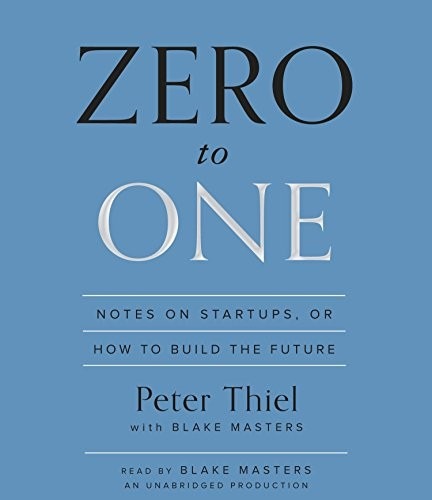
Zero to One
How companies go from 0 to 1 - 10,000 ft view of romanticized founder life
Metadata
| Author | Peter Thiel |
| Year | 2014 |
The Book in 3 Sentences
- Real innovation goes from 0 → 1. Create something new, not incremental improvements on what already exists.
- Avoid competition; seek monopoly. Great companies dominate a niche instead of fighting in crowded markets.
- Definite vision beats blind optimism. Strong, specific beliefs about the future drive breakthrough companies.
- Distribution matters as much as product. Technology alone doesn’t win—owning the channel does.
How the Book Changed Me
- Maybe I was too complacent about “let’s build a better browser” and not bold enough to re-imagine “let’s reimagine browser rebuilt around intelligence.”
- I do think this book had too much political undertone of anti-competition and romanticized view of “genius founder” that was filtered by survivorship bias.
My Top 3 Quotes
- All happy companies are different: each one earns a monopoly by solving a unique problem.
- Brilliant thinking is rare, but courage is in even shorter supply.
- What important truth do very few people agree with you on?
Summary + Notes
- The Challenge of the Future
- Progress comes in two forms:
→ Great startups create vertical progress.
- Party Like It’s 1999: The dot-com crash taught caution — maybe too much caution.
→ Thiel argues founders overcorrected by avoiding boldness.
- Competitive markets destroy profits; Monopolies create lasting value. → Great businesses are monopolies in disguise.
- You don’t want to win in a crowded market. You want to escape competition entirely.
- First-mover advantage is overrated. You want to be the last mover — the company that dominates a market long-term.
- Success isn’t pure luck. Definite plans beat indefinite optimism. Have a strong, specific vision.
- Founders and early employees should maintain meaningful ownership.
→ Equity alignment drives long-term thinking.
- Great companies are built on secrets — truths that most people don’t see.
- Company culture and structure matter from day one: Small, tight teams with clear ownership win.
- Distribution is as important as product. → Great technology without distribution fails.
- The future is human + machine, not human vs. machine. Automation complements human strengths.
- Clean tech failed because it ignored monopoly thinking.
- Technology alone isn’t enough — timing and scale matter.
- Founders are often eccentric or extreme — but that intensity drives breakthroughs.